
Real Madrid and Barcelona: The Multi-Sport Blueprint (and Its €20 Million Hole)
By Hoop Britain Research
TL;DR: Real Madrid's basketball section runs a continent-leading €45 million budget and still posts a €20-25 million annual deficit, covered entirely by the football club's surplus. Barcelona's basketball section lost €56.6 million in one season before a painful restructuring. Both prove that being the biggest brand in world sport doesn't automatically make a EuroLeague team commercially self-sufficient.
Two Socio-Owned Institutions, One Structural Problem
Real Madrid Baloncesto and FC Barcelona Bàsquet are both governed by their parent clubs' member-ownership ("socio") model — roughly 93,000 socios at Real Madrid, 140,000 at Barcelona, each paying an annual membership fee (€150-180 and €215 respectively) and voting on club leadership and budgets. That governance structure gives both basketball sections access to elite resources most of Europe can only dream of: Real Madrid's 2024-25 basketball budget is a continent-leading €45.0 million (€20.5 million of it on payroll); Barcelona's sits at €32.0 million after a deliberate restructuring (down from a peak that produced a €56.6 million single-season loss in 2022-23, driven largely by contract-termination payouts to Nikola Mirotić and Šarūnas Jasikevičius).
Both sections run at a structural loss. Real Madrid's basketball division generated a record €25.1 million in its own standalone revenue in 2023-24 against over €45 million in costs — a €20-25 million annual gap covered entirely by the football club's own surplus (€15.6 million and €24.3 million net profit in the two most recent reported seasons). Barcelona's post-restructuring basketball deficit sits at €12-15 million, down from over €50 million, still absorbed by the wider club's commercial cash flow.
Why the Arena, Not the Brand, Is the Ceiling
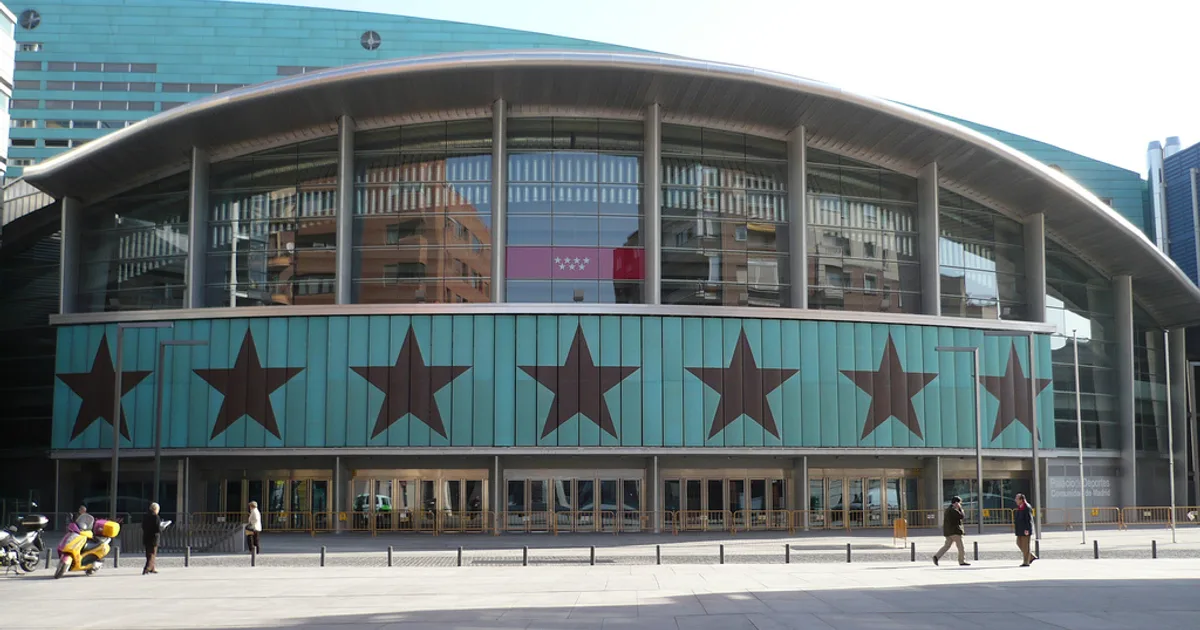
Neither club's arena matches its brand size. Real Madrid plays at the 13,109-seat WiZink Center (expandable to 15,000), averaging 8,914 EuroLeague fans in 2023-24 — a 68% fill rate. Barcelona is more constrained still: the 7,585-seat Palau Blaugrana, built in 1971 with no modern hospitality tiers, averaging around 6,400 fans (roughly 82% fill rate of a much smaller building). Compare either to Partizan or Crvena Zvezda filling a 20,000-seat arena to 95-99% in a much poorer market — see Partizan vs Red Star: Turning a Belgrade Rivalry into Revenue — and the gap isn't about fame, it's about a physically smaller or under-invested building capping attendance regardless of demand.
The Genuinely Clever Bit: Seient Lliure
Barcelona's one standout commercial innovation is Seient Lliure ("Free Seat") — when a socio season-ticket holder can't attend a game, they release their seat back to the club through an app rather than letting it sit empty. The club resells it at full price to visiting fans and tourists, splitting the proceeds with the original ticket holder. It's a small mechanism, but it converts what would otherwise be pure lost revenue (an empty seat in a sold-out-on-paper arena) into a second sale, and it's a genuinely transferable idea for any EuroLeague club with a loyal but not-always-present season-ticket base.
What This Means for the NBA Europe Question
Real Madrid and Barcelona are both named as "monitored defection candidates" who could theoretically leave EuroLeague for a reported €10 million exit clause (see EuroLeague vs NBA Europe: Structure, Teams and Money Compared) — but neither club's basketball section is currently a standalone profitable business that could easily absorb a $500 million-plus NBA Europe franchise fee on its own. Any move either way almost certainly runs through the parent football club's balance sheet, not the basketball section's. It's also a caution against assuming brand size predicts commercial basketball success — see Why Small-Market Clubs Outperform Big Cities in European Basketball for the clubs actually running a tighter operation on a fraction of the budget.
This piece is part of our ongoing NBA Europe vs EuroLeague business playbook.
Sources: Real Madrid official financial statements (realmadrid.com), Solobasket.com, AS.com, Wikipedia (2023-24 Real Madrid Baloncesto season), BasketNews EuroLeague budget reporting. Accurate as of September 22, 2026.