
Best and Worst NBA Attendance: What It Reveals About Arena Size vs Demand
By Hoop Britain Research
TL;DR: The NBA's 2023-24 season set attendance records — 22.5 million fans, 98% average capacity. But the top five teams by raw attendance and the bottom five aren't separated by fan passion so much as by arena size and season quality. Atlanta plays to 102% capacity every night and still ranks near the bottom of the league, purely because its arena is small. That's a direct lesson for any EuroLeague city currently arguing over whether to build a bigger building.
A Record Season, By the Numbers
The NBA's 2023-24 regular season drew 22,536,341 fans across 30 franchises — an all-time high, averaging 18,322 per game at 98.0% capacity league-wide, with 872 total sellouts. Ten teams — the Celtics, Cavaliers, Mavericks, Nuggets, Warriors, Heat, Timberwolves, 76ers, Suns and Kings — sold out every single one of their 41 home games.
The Top Five
| Team | Arena Capacity | Avg Attendance | Fill Rate |
|---|---|---|---|
| Chicago Bulls | 20,917 | 20,624 | 98.6% |
| Dallas Mavericks | 19,200 | 20,217 | 105.3% |
| Philadelphia 76ers | 20,478 | 20,042 | 97.9% |
| Miami Heat | 19,600 | 19,749 | 100.8% |
| New York Knicks | 19,812 | 19,729 | 99.6% |
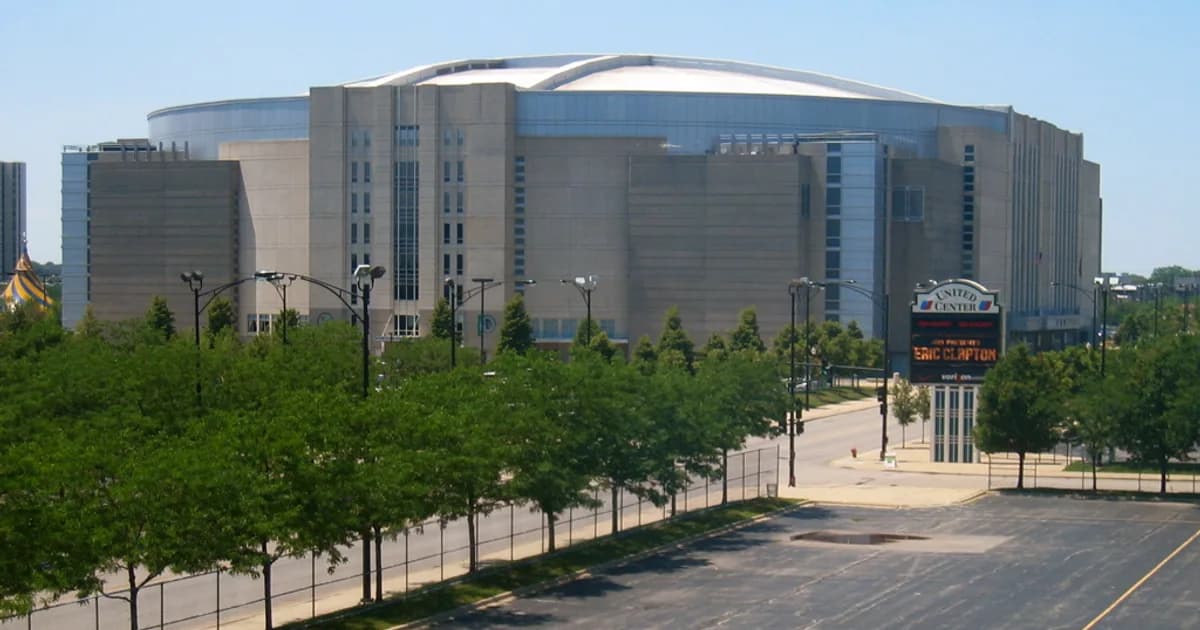
Chicago tops the list on capacity alone — the United Center is the league's biggest arena, and the Bulls filled it despite a mediocre 39-43 season, on the strength of 1990s dynasty brand equity and Chicago's corporate density. Dallas achieved the league's highest fill rate (105.3%, standing-room accounted for) riding a Finals run led by Luka Dončić and Kyrie Irving. Philadelphia and New York both combined big buildings with genuine on-court quality (Embiid's MVP season; Brunson-led 50 wins).
The Bottom Five
| Team | Arena Capacity | Avg Attendance | Fill Rate |
|---|---|---|---|
| Charlotte Hornets | 19,077 | 16,448 | 86.2% |
| Indiana Pacers | 17,923 | 16,525 | 92.2% |
| Memphis Grizzlies | 18,119 | 16,631 | 91.8% |
| Washington Wizards | 20,356 | 16,899 | 83.0% |
| Atlanta Hawks | 16,600 | 16,985 | 102.3% |
This is the important row: Atlanta. The Hawks played to 102.3% of capacity — genuinely full, arguably the most in-demand building on this list relative to its size — and still finish bottom five in raw attendance, purely because State Farm Arena seats only 16,600, the smallest bowl in the league. Compare that to Washington, which drew more fans in absolute terms (16,899) while filling only 83.0% of a much bigger 20,356-seat arena during a 15-67 rebuild complicated by an aborted relocation attempt to Northern Virginia. Memphis's collapse (down from consecutive 50-win seasons) traces directly to Ja Morant's suspension and shoulder surgery — a reminder that star availability alone can move 3,000+ fans a night in a mid-sized market. Indiana is the outlier worth remembering: the Pacers reached the Eastern Conference Finals with 47 wins and still ranked near the bottom, partly due to mid-season arena renovation disruption and a historically price-conscious regional fanbase that only showed up once the playoffs made it unmissable.
The Direct Lesson for EuroLeague and NBA Europe Cities
Run this against the EuroLeague table in EuroLeague Ticket Prices by Club and the pattern repeats almost exactly. FC Barcelona — a bigger global brand than any NBA team on this list — fills only 72.7% of a 7,585-seat arena that's structurally too small and too old to generate NBA-style demand signals, while Partizan and Crvena Zvezda in Belgrade post 99%+ fill rates in a market a fraction of Barcelona's wealth, simply because their arena is well-matched to genuine demand.
That's exactly the calculation NBA Europe's target cities are making right now. London's ownership group has priced a purpose-built arena at £350 million to £1 billion — a serious bet that demand in a city with no real basketball-arena tradition will justify the spend. Atlanta's story above is the cautionary tale on the other side of that bet: build too small in a market with real demand, and you cap your own revenue forever regardless of how good the team is or how loyal the fans are.
For why this arena/demand relationship also drives ticket pricing power, see NBA Ticket Prices vs EuroLeague: Why the Gap Is So Big, and for the revenue-sharing system that lets even a small-market, small-arena team like Memphis or Oklahoma City stay financially competitive despite this gap, The NBA's 80/20 Rule.
This piece is part of our ongoing NBA Europe vs EuroLeague business playbook.
Sources: awfulannouncing.com NBA attendance-record reporting, Bleacher Nation, 247wallst.com NBA home-crowd analysis, Basketball-Reference 2023-24 season data. Figures are 2023-24 season averages, the latest full-season data publicly available at time of writing. Accurate as of September 22, 2026.